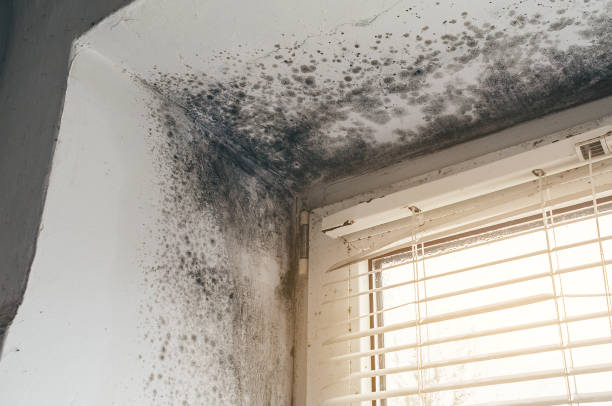
In Mobile, Alabama's warm and humid environment, water damage and mold growth are closely linked. Whenever a roof leak, plumbing pinhole, crawl space flood, or high indoor humidity leaves building materials wet for more than 24 to 48 hours, dormant mold spores begin colonizing damp drywall, wood framing, and carpet backing. Knowing when a small surface spot can be wiped clean — and when certified professional mold remediation is required — protects both your property value and your family's respiratory health.
The EPA 10-Square-Foot Rule and IICRC S520 Standards
Both the U.S. Environmental Protection Agency (EPA) and the IICRC S520 Standard for Professional Mold Remediation provide clear guidelines:
Small Isolated Surface Growth (<10 sq. ft.): If minor mildew or mold covers less than a 3-foot-by-3-foot patch on a non-porous surface (such as bathroom shower tile or tub caulk), a homeowner can typically clean it safely using detergent, water, and personal protective equipment.
Professional Mold Remediation Required: Professional remediation is strongly recommended whenever visible mold exceeds 10 square feet, when mold has penetrated porous structural materials (drywall, insulation, wood studs, subflooring), when mold is inside an HVAC system or ductwork, or when mold follows Category 2 or Category 3 (sewage/flood) water damage.
5 Situations That Always Require Professional Mold Remediation
1. Mold Growing on or Behind Porous Drywall and Baseboards
Spraying household bleach on moldy drywall does not work. The chlorine stays on the painted surface while the water base soaks into the gypsum core, feeding the deeper root structures (hyphae) growing on the back side of the drywall paper.
2. Persistent Musty Odors After a Past Water Leak
If a pipe leak or ceiling stain dried out weeks ago but the room still smells musty, active mold colonies are likely hidden inside the enclosed wall cavity, beneath laminate/hardwood flooring, or above the ceiling drywall.
3. Mold Inside HVAC Air Handlers, Plenums, or Supply Vents
Running a central air conditioner when mold is present inside the air handler or return plenum blasts millions of microscopic spores into every bedroom and living area of your property.
4. Crawl Space or Attic Framing Mold
Working in confined attics or crawl spaces covered in fungal growth without respiratory protection and negative-air containment exposes occupants to concentrated airborne spores.
5. Occupants With Asthma, Allergies, or Compromised Immunity
Children, older adults, and anyone with asthma, chronic sinus issues, or weakened immune systems should never be exposed to airborne spores stirred up by DIY scrubbing or uncontained demolition.
What Happens During Professional Mold Remediation?
True mold remediation is not 'painting over mold' — it is physical source removal under strict containment:
1. Moisture Source Correction: Tracing and drying the leak or humidity source using thermal cameras and moisture meters.
2. Negative-Air Containment: Sealing the work zone with 6-mil polyethylene sheeting and zipper doors while exhausting air through a HEPA air scrubber so zero spores escape into clean rooms.
3. Safe Removal of Unsalvageable Porous Materials: Bagging and removing mold-colonized drywall, insulation, and carpet.
4. HEPA Vacuuming & Antimicrobial Treatment: Wire-brushing, sanding, HEPA-vacuuming, and treating structural wood framing with EPA-registered fungicidal and antimicrobial solutions before drying to below 15% wood moisture content.
Editorial Standards & Official Restoration References
Every guide published by the RestoreMobileAL.com Editorial & Technical Team is aligned with nationally recognized water damage restoration, indoor air quality, and emergency preparedness standards for the Alabama Gulf Coast:
- ANSI/IICRC S500 & S520 Standards ↗Professional Water Damage Restoration & Mold Remediation Guidelines
- U.S. EPA Mold & Moisture Guide ↗Federal Indoor Air Quality & 24–48 Hour Drying Recommendations
- FEMA National Flood Insurance (NFIP) ↗Official Flood Coverage & Claim Documentation Rules
- Ready.gov Flood Safety Protocol ↗Electrical, Structural & Post-Storm Re-Entry Safety
Related Restoration Services in Mobile, Alabama
Explore our dedicated Mobile, AL service pages related to this guide:
Dealing with Water Damage in Mobile, AL?
Don't wait — 24/7 professional water extraction and structural drying minimizes damage and prevents mold growth.