Your ceiling is the first line of defense beneath your roof, attic HVAC air handler, and second-story plumbing. When water intrudes into an overhead ceiling cavity in a Mobile, Alabama home or commercial building, gravity pulls that moisture across ceiling joists, drywall tape joints, and light fixtures. Catching ceiling water damage early prevents hazardous ceiling collapses and hidden attic mold.
6 Key Warning Signs of Ceiling Water Damage
1. Tea-Colored or Rust-Brown Water Stains
As water percolates through roof decking, blown-in attic insulation, and dust before soaking into ceiling drywall, it dissolves tannins and minerals. When the moisture evaporates from the painted room side, it leaves behind a yellowish-brown or copper-colored ring.
2. Sagging, Bowing, or Bulging Drywall
Wet gypsum loses its structural shear strength rapidly. If a section of your ceiling bows downward or develops a soft water pouch, gallons of water may be pooled on top of the vapor barrier or drywall sheet. Never stand directly beneath a sagging ceiling, and shut off power to overhead ceiling fans or recessed can lights immediately.
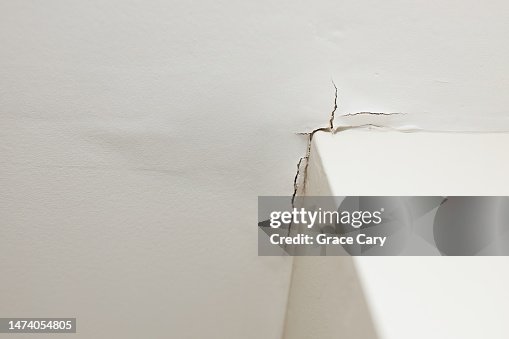
3. Cracking Tape Seams and Popping Drywall Screws
Long straight cracks running across a ceiling — or small circular bumps where drywall screws are pushing through the joint compound — often happen when ceiling joists swell from moisture and wet drywall sags between fasteners.
4. Bubbling or Flaking Ceiling Texture (Popcorn or Knockdown)
Textured ceilings absorb overhead moisture quickly. When water hits acoustic popcorn or knockdown texture from above, the texture loosens and flakes onto the floor before a dark stain even forms.
5. Water Dripping from Recessed Lights, Smoke Detectors, or AC Vents
Water follows the path of least resistance. Penetrations cut into the ceiling for recessed lighting cans, exhaust fans, or supply registers act as drains for water pooling in the ceiling cavity.
6. Dark Spotting Around Air Conditioning Supply Registers
In Mobile's humid summers, if warm attic air leaks around an unsealed supply boot or ductwork insulation fails, condensation drips onto the surrounding drywall and feeds dark surface mold.
Top Causes of Ceiling Water Damage in Mobile, AL
Gulf Coast Storm Roof Leaks: High winds, lifted shingles, deteriorated pipe boots, and clogged roof valleys allow wind-driven rain into the attic, where water often travels several feet along a rafter before dripping onto the ceiling.
Attic HVAC Condensate Drain Overflows: Many Mobile homes have air handlers mounted in the attic. When algae clogs the primary PVC condensate line and the float switch fails, the auxiliary pan overflows directly onto the ceiling below.
Upstairs Bathroom & Laundry Plumbing: Failed wax rings under toilets, cracked shower pans, and leaking supply valves on a second floor soak directly into the first-floor ceiling plenum.
How Professional Ceiling Water Restoration Works
Restoration technicians first use thermal imaging to trace the water back to its true entry point. Wet, matted attic insulation above the affected ceiling is removed so joists can breathe, and targeted air movers and LGR dehumidifiers dry the framing to safe moisture levels before ceiling repair begins.
Editorial Standards & Official Restoration References
Every guide published by the RestoreMobileAL.com Editorial & Technical Team is aligned with nationally recognized water damage restoration, indoor air quality, and emergency preparedness standards for the Alabama Gulf Coast:
- ANSI/IICRC S500 & S520 Standards ↗Professional Water Damage Restoration & Mold Remediation Guidelines
- U.S. EPA Mold & Moisture Guide ↗Federal Indoor Air Quality & 24–48 Hour Drying Recommendations
- FEMA National Flood Insurance (NFIP) ↗Official Flood Coverage & Claim Documentation Rules
- Ready.gov Flood Safety Protocol ↗Electrical, Structural & Post-Storm Re-Entry Safety
Related Restoration Services in Mobile, Alabama
Explore our dedicated Mobile, AL service pages related to this guide:
Dealing with Water Damage in Mobile, AL?
Don't wait — 24/7 professional water extraction and structural drying minimizes damage and prevents mold growth.