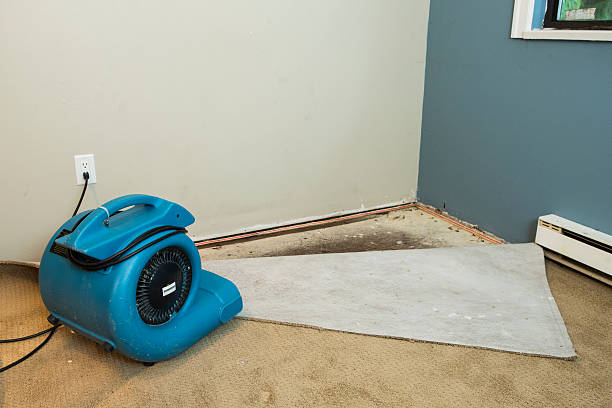
When water damage strikes your home, the actions you take in the first 60 minutes can be the difference between a manageable structural dry-out and a costly reconstruction project. Whether you are dealing with a ruptured supply pipe in West Mobile, an upstairs water heater leak in Spring Hill, or storm water intrusion near Mobile Bay, acting quickly and methodically protects both your property and your insurance claim.
Step 1: Prioritize Electrical and Structural Safety
Before stepping into a wet room, evaluate electrical and overhead hazards. If standing water has reached wall outlets, extension cords, baseboard heaters, or your main breaker panel, do not touch the water. If you can reach your main electrical panel from a completely dry area, shut off power to the affected circuits.
Inspect ceilings before entering any room below an upstairs leak. Wet drywall and saturated attic insulation become extremely heavy; a sagging or blistered ceiling can collapse without warning. Also treat water from floor drains, toilets, or outdoor storm runoff as potentially contaminated (Category 2 or Category 3 water) and keep children and pets out of the area.
Step 2: Stop the Source of Water Immediately
If the water originates from household plumbing — such as a burst supply line, overflowing toilet, braided washing machine hose, or ruptured water heater — shut off the fixture valve or your home's main water shut-off valve right away. In most Mobile, Alabama homes, the main shut-off valve is located either in a ground-level utility box near the street meter or where the main supply line enters the garage, utility room, or crawl space perimeter.
If the water is entering from an active roof leak during a Gulf Coast storm, place heavy plastic sheeting or buckets beneath active drips to protect subfloors until emergency tarping and interior water extraction can begin.
Step 3: Document All Damage for Your Insurance Claim
Before moving wet rugs, mopping floors, or discarding damaged items, take clear photos and video on your smartphone. Capture wide-angle shots of every affected room, close-up photos of the water source (such as a split pipe fitting or failed appliance valve), and the height of water wicking on baseboards and drywall.
Keep a written log of when the leak was discovered and every step taken to mitigate damage. Most Alabama homeowners insurance policies include a 'duty to mitigate' clause requiring property owners to take reasonable steps to stop ongoing damage.
Step 4: Protect Furniture and High-Value Contents
Once the area is safe and photographed, lift wood furniture off wet carpets using aluminum foil, plastic blocks, or coasters under furniture legs. Wet wood stain reacts quickly with damp carpet fibers, leaving permanent dye stains that cannot be cleaned out.
Move electronics, paper documents, area rugs, and upholstered cushions into a dry, air-conditioned room.
Step 5: Call a Professional Water Damage Restoration Service
In Mobile's warm, humid Gulf Coast climate, indoor relative humidity frequently exceeds 65% to 75%. Household shop vacuums and box fans cannot pull moisture out of carpet padding, OSB subflooring, or interior drywall cavities. Within 24 to 48 hours, unextracted moisture triggers microbial growth and causes hardwood planks to cup.
Professional restoration technicians deploy high-suction weighted extractors, commercial Low-Grain Refrigerant (LGR) dehumidifiers, high-velocity axial air movers, and thermal imaging cameras to find and remove hidden water pockets.
Step 6: What to Avoid After Water Damage
Do not use a standard household vacuum to pick up water — doing so creates a severe electrocution hazard and ruins the motor.
Do not turn up your home heat thinking warm air alone will dry wet walls; warmth combined with trapped humidity accelerates mold spore germination.
Do not wait to see if wet drywall dries on its own. Moisture wicked into gypsum board and behind baseboards remains trapped without targeted dehumidification.
Editorial Standards & Official Restoration References
Every guide published by the RestoreMobileAL.com Editorial & Technical Team is aligned with nationally recognized water damage restoration, indoor air quality, and emergency preparedness standards for the Alabama Gulf Coast:
- ANSI/IICRC S500 & S520 Standards ↗Professional Water Damage Restoration & Mold Remediation Guidelines
- U.S. EPA Mold & Moisture Guide ↗Federal Indoor Air Quality & 24–48 Hour Drying Recommendations
- FEMA National Flood Insurance (NFIP) ↗Official Flood Coverage & Claim Documentation Rules
- Ready.gov Flood Safety Protocol ↗Electrical, Structural & Post-Storm Re-Entry Safety
Related Restoration Services in Mobile, Alabama
Explore our dedicated Mobile, AL service pages related to this guide:
Dealing with Water Damage in Mobile, AL?
Don't wait — 24/7 professional water extraction and structural drying minimizes damage and prevents mold growth.