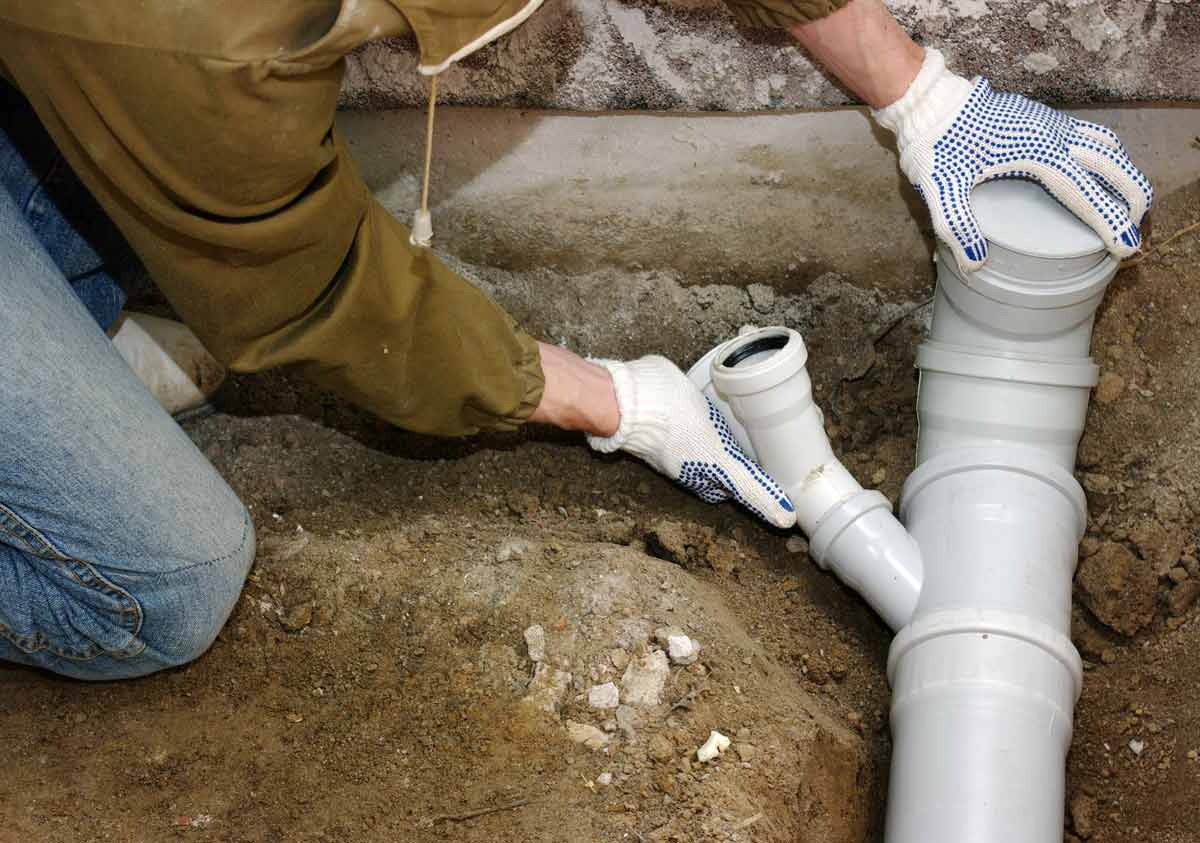
Few property emergencies are more hazardous or stressful than watching dark, foul-smelling water bubble up through your ground-floor shower drain, bathtub, or toilet. In Mobile, Alabama, sanitary sewer backups are a frequent year-round emergency — especially during intense Gulf Coast downpours — and require strict ANSI/IICRC S500 Category 3 biohazard remediation.
Why Sanitary Sewer Backups Happen in Mobile, AL
Understanding why sewage backed up into your home helps determine both how to fix the plumbing issue and whether your insurance policy covers the loss:
1. Stormwater Inflow & Infiltration (I&I) During Heavy Rain: Mobile receives over 65 inches of rain annually. During a 4- to 6-inch thunderstorm, groundwater and surface runoff infiltrate aging underground sanitary sewer mains through cracked joints and manhole covers, surcharging the line and forcing sewage backward into the lowest drains of nearby homes.
2. Live Oak & Pine Root Intrusion in House Laterals: In established Mobile neighborhoods like Midtown, Oakleigh, Old Dauphin Way, Spring Hill, and Crichton, massive live oak roots seek out moisture and nutrients inside older clay-tile, cast-iron, or Orangeburg house sewer laterals — catching paper and grease until the line blocks completely.
3. Slab Drain Collapse or Lift-Station Failure: Shifting coastal clay/sand soils under slab homes or power failures at neighborhood grinder pumps can stop waste flow immediately.
The Hidden Pathogens Inside Category 3 Sewage Water
Even when sewage backup water looks relatively clear or slightly gray at the edges, any water that has passed beyond a toilet trap or risen out of a sanitary floor/tub drain is classified as Category 3 Black Water. Laboratory analyses of residential sewage backups routinely identify:
1. Pathogenic Bacteria: *Escherichia coli (E. coli)*, *Salmonella*, *Shigella*, *Campylobacter*, and *Leptospira*, which cause severe gastrointestinal illness and wound infections.
2. Waterborne Viruses: *Hepatitis A*, *Rotavirus*, *Norovirus*, and *Adenovirus*, which can survive on damp indoor surfaces for days or weeks.
3. Parasites, Fungi & Endotoxins: *Giardia lamblia*, *Cryptosporidium* cysts, fast-growing sewage molds, and bacterial cell-wall endotoxins that become airborne as surfaces dry.
Why You Should Never Use Household Fans or Bleach on a Sewage Backup
Pouring household chlorine bleach onto sewage-soaked carpet or drywall does not sterilize it: organic matter immediately neutralizes sodium hypochlorite, and bleach cannot penetrate porous carpet padding or gypsum wallboard. Worse, turning on household box fans blows microscopic sewage aerosols into your home's air and HVAC return ducts.
The Professional 6-Step Category 3 Biohazard Protocol
1. Negative-Air HEPA Containment: Technicians seal the affected rooms with 6-mil poly sheeting and exhaust the air through 99.97% efficient HEPA air scrubbers.
2. Sealed Biohazard Extraction: Raw liquid and solid waste are pumped out using commercial sewage extractors.
3. Mandatory Porous Material Tear-Out: Under IICRC S500 rules, sewage-soaked carpet, padding, insulation, baseboards, and lower drywall (12–24 inches above the water line) are double-bagged and removed.
4. Pressure Washing & EPA-Registered Biocide Disinfection: Exposed concrete slabs and solid wood studs are scrubbed clean of organic soil and saturated with hospital-grade virucidal/bactericidal disinfectants.
5. Activated-Carbon Deodorization & LGR Structural Drying: Commercial dehumidifiers dry the sanitized framing below 14% moisture content before rebuild begins.
Editorial Standards & Official Restoration References
Every guide published by the RestoreMobileAL.com Editorial & Technical Team is aligned with nationally recognized water damage restoration, indoor air quality, and emergency preparedness standards for the Alabama Gulf Coast:
- ANSI/IICRC S500 & S520 Standards ↗Professional Water Damage Restoration & Mold Remediation Guidelines
- U.S. EPA Mold & Moisture Guide ↗Federal Indoor Air Quality & 24–48 Hour Drying Recommendations
- FEMA National Flood Insurance (NFIP) ↗Official Flood Coverage & Claim Documentation Rules
- Ready.gov Flood Safety Protocol ↗Electrical, Structural & Post-Storm Re-Entry Safety
Related Restoration Services in Mobile, Alabama
Explore our dedicated Mobile, AL service pages related to this guide:
Dealing with Water Damage in Mobile, AL?
Don't wait — 24/7 professional water extraction and structural drying minimizes damage and prevents mold growth.