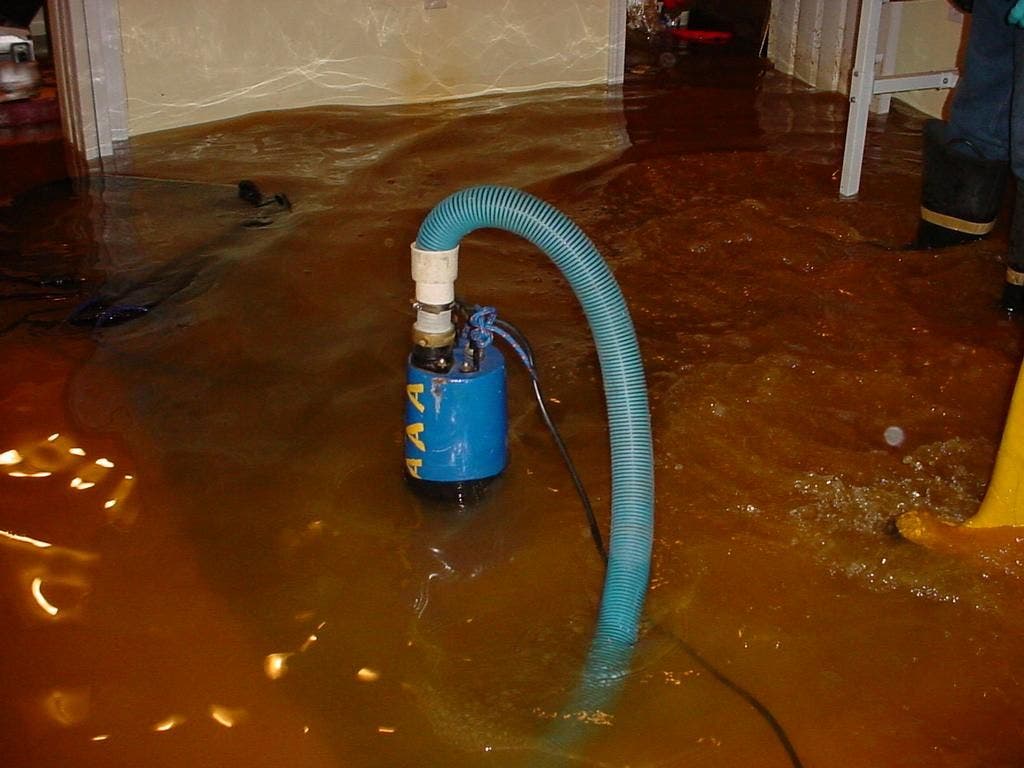
The Atlantic and Gulf Coast hurricane season runs officially from June 1 through November 30, with peak tropical activity along Mobile Bay and Baldwin County occurring between August and October. Even when a named hurricane does not make a direct landfall on Dauphin Island or Gulf Shores, feeder bands and stalled tropical depressions routinely dump 8 to 15 inches of rain and push 2-to-5-foot storm surges into Mobile Bay, Dog River, Fowl River, and the Mobile-Tensaw Delta.
Preparing your home or commercial building before a storm enters the Gulf of Mexico drastically reduces your risk of catastrophic water damage.
1. Fortify Your Roof Envelope and Attic
High winds rarely tear an entire roof off at once; instead, wind lifts a few starter shingles or ridge caps, allowing torrential rain to pour onto the roof decking and soak attic insulation until ceilings collapse.
Pre-Season Checklist:
Have a licensed roofer inspect shingle tabs, metal roof screws/washers, valley flashing, and neoprene plumbing vent boots before June.
Verify that gable vents and soffit vents are secure against horizontal wind-driven rain.
Check your attic HVAC air handler pan and float switch so heavy summer humidity doesn't overflow the pan during a storm.
2. Clear Lot Drainage, Gutters, and Street Inlets
During a tropical rainmaker, your roof gutters and yard swales must move thousands of gallons of water per hour away from your slab or crawl space.
Pre-Season Checklist:
Clean all leaves, acorns, and pine straw from gutters, downspouts, and underground drain pop-ups.
Trim overhanging live-oak and pine branches back at least 10 feet from your roofline.
Check that yard French drains and sump pumps (plus battery backups) are operating properly.
3. Seal Windows, Exterior Doors, and Thresholds
Wind-driven rain pushed by 50–80 mph gusts will force water past worn weatherstripping, uncaulked window trim, and French patio door thresholds.
Pre-Season Checklist:
Inspect and replace cracked exterior silicone/polyurethane caulk around window frames and brick molding.
Replace flattened rubber door sweeps on exterior and patio doors.
Keep pre-cut storm shutters or marine plywood and flood barriers ready in your garage.
4. Prepare a Digital Insurance Inventory & Check Flood Coverage
Remember that NFIP flood insurance policies generally carry a 30-day waiting period before taking effect — you cannot wait until a tropical storm is in the Gulf to add flood coverage.
Pre-Season Checklist:
Walk through every room of your home or business once a year taking a 5-minute smartphone video of your floors, walls, ceilings, appliances, and furnishings, and back it up to the cloud.
Locate your main water shut-off valve and electrical breaker directory so any family member can shut off utilities in an emergency.
5. What to Do Immediately After a Storm Passes
Once authorities declare it safe to inspect your property, check your attic, ceilings, window sills, and crawl space for moisture intrusion. Even a small damp spot will breed mold rapidly if air conditioning power is out after a storm. Call a 24/7 water damage restoration service in Mobile, AL immediately for emergency water extraction and dehumidification.
Editorial Standards & Official Restoration References
Every guide published by the RestoreMobileAL.com Editorial & Technical Team is aligned with nationally recognized water damage restoration, indoor air quality, and emergency preparedness standards for the Alabama Gulf Coast:
- ANSI/IICRC S500 & S520 Standards ↗Professional Water Damage Restoration & Mold Remediation Guidelines
- U.S. EPA Mold & Moisture Guide ↗Federal Indoor Air Quality & 24–48 Hour Drying Recommendations
- FEMA National Flood Insurance (NFIP) ↗Official Flood Coverage & Claim Documentation Rules
- Ready.gov Flood Safety Protocol ↗Electrical, Structural & Post-Storm Re-Entry Safety
Related Restoration Services in Mobile, Alabama
Explore our dedicated Mobile, AL service pages related to this guide:
Dealing with Water Damage in Mobile, AL?
Don't wait — 24/7 professional water extraction and structural drying minimizes damage and prevents mold growth.