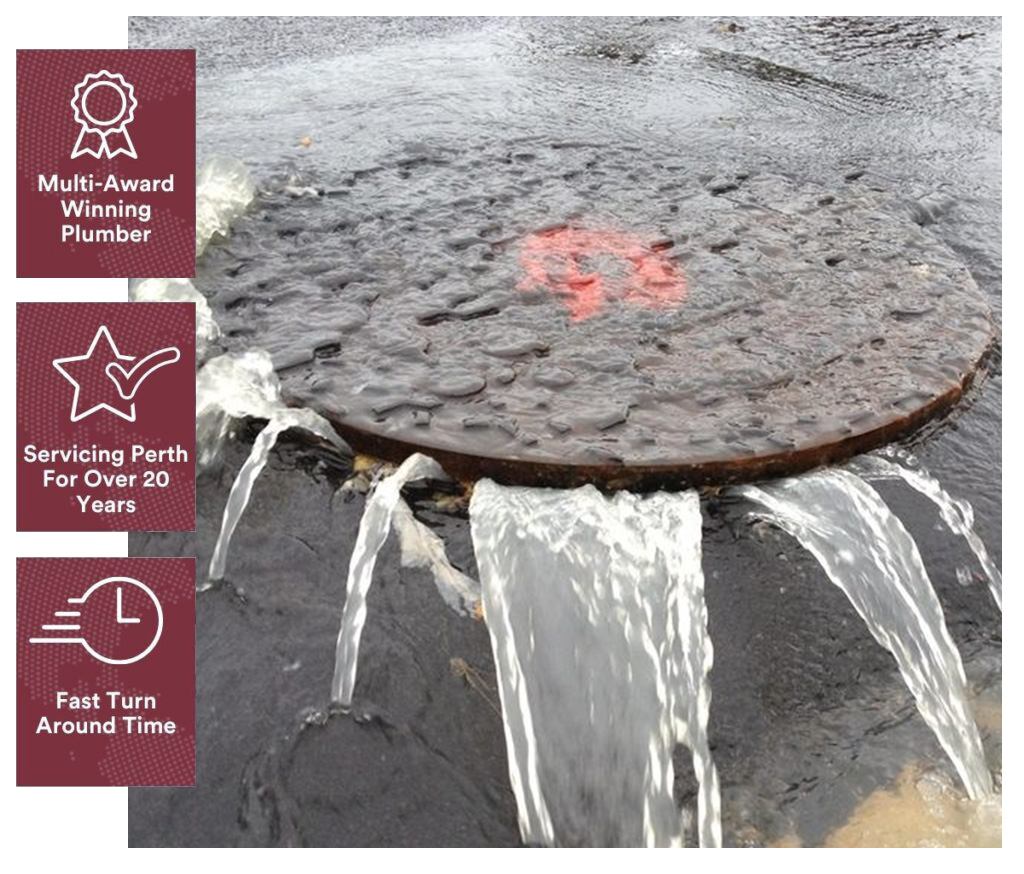
When restoration technicians arrive at a flooded property in Mobile, Alabama, one of their very first evaluations is classifying the Category of Water under the ANSI/IICRC S500 Standard. Why? Because water from a broken ice-maker line requires a completely different safety, sanitization, and material-salvage protocol than water from an overflowing washing machine or a municipal sewer backup.
Category 1: Clean Water (Sanitary Source)
Definition: Category 1 water originates from a sanitary, potable plumbing source and poses no substantial health hazard from dermal, ingestion, or inhalation exposure at the moment of release.
Common Examples:
Burst domestic cold or hot water supply pipes.
Supply lines to sinks, toilets, or ice makers.
Clean rainwater or melting ice entering directly through a roof opening before contacting soil.
Restoration Impact: If extracted within the first 24 to 48 hours, carpets, carpet padding, drywall, and baseboards affected by Category 1 water can frequently be dried in place without demolition. Warning: If Category 1 water sits untreated for 48+ hours or flows through dirty subfloors, it degrades into Category 2.
Category 2: Gray Water (Significantly Contaminated)
Definition: Category 2 water (commonly called gray water) contains significant chemical, biological, or physical contamination that can cause discomfort or sickness if contacted or consumed by humans or pets.
Common Examples:
Discharge or overflow from dishwashers and washing machines.
Overflow from toilet bowls containing urine only (no solid waste).
Sump pump failures or seepage of groundwater through foundation cracks.
Punctured waterbeds or aquarium leaks.
Restoration Impact: Because gray water carries microorganisms and nutrients that multiply rapidly in Mobile's warmth, restoration requires removing and discarding saturated carpet padding, thoroughly extracting and disinfecting salvageable carpets and hard surfaces with EPA-registered antimicrobials, and drying the subfloor immediately. Left untreated for 48+ hours, Category 2 gray water degrades into Category 3 black water.
Category 3: Black Water (Grossly Contaminated / Biohazard)
Definition: Category 3 water (known as black water) is grossly unsanitary and contains pathogenic agents, toxigenic bacteria, viruses, protozoans, or hazardous chemicals posing severe health risks.
Common Examples:
Sanitary sewer backups and toilet overflows originating beyond the toilet trap.
All rising floodwater from rivers, creeks, storm drains, or hurricane storm surge (such as Mobile Bay or Dog River flooding).
Wind-driven rain that has mixed with ground soil or sewage before entering a structure.
Stagnant Category 1 or Category 2 water that has sat untreated for more than 72 hours.
Restoration Impact: Category 3 cleanup is a biohazard remediation operation. Technicians wear full PPE and respirators, establish negative-air HEPA containment, extract all liquid waste, remove and dispose of all porous materials that touched the black water (carpet, pad, insulation, and drywall flood-cut 12 to 24 inches above the water line), and sterilize structural framing and slabs with hospital-grade disinfectants before structural drying.
Editorial Standards & Official Restoration References
Every guide published by the RestoreMobileAL.com Editorial & Technical Team is aligned with nationally recognized water damage restoration, indoor air quality, and emergency preparedness standards for the Alabama Gulf Coast:
- ANSI/IICRC S500 & S520 Standards ↗Professional Water Damage Restoration & Mold Remediation Guidelines
- U.S. EPA Mold & Moisture Guide ↗Federal Indoor Air Quality & 24–48 Hour Drying Recommendations
- FEMA National Flood Insurance (NFIP) ↗Official Flood Coverage & Claim Documentation Rules
- Ready.gov Flood Safety Protocol ↗Electrical, Structural & Post-Storm Re-Entry Safety
Related Restoration Services in Mobile, Alabama
Explore our dedicated Mobile, AL service pages related to this guide:
Dealing with Water Damage in Mobile, AL?
Don't wait — 24/7 professional water extraction and structural drying minimizes damage and prevents mold growth.